Murcia is worth visiting when you want a quieter alternative to Spain’s best-known coastal regions without giving up beaches, history or good day trips. The region is not one polished resort destination: it combines an inland capital, Roman Cartagena, the Mar Menor, natural Mediterranean coastline and agricultural traditions. That variety rewards curious travellers, but it also means a car and a realistic plan can make the experience much easier.
1. The coast offers two different water settings
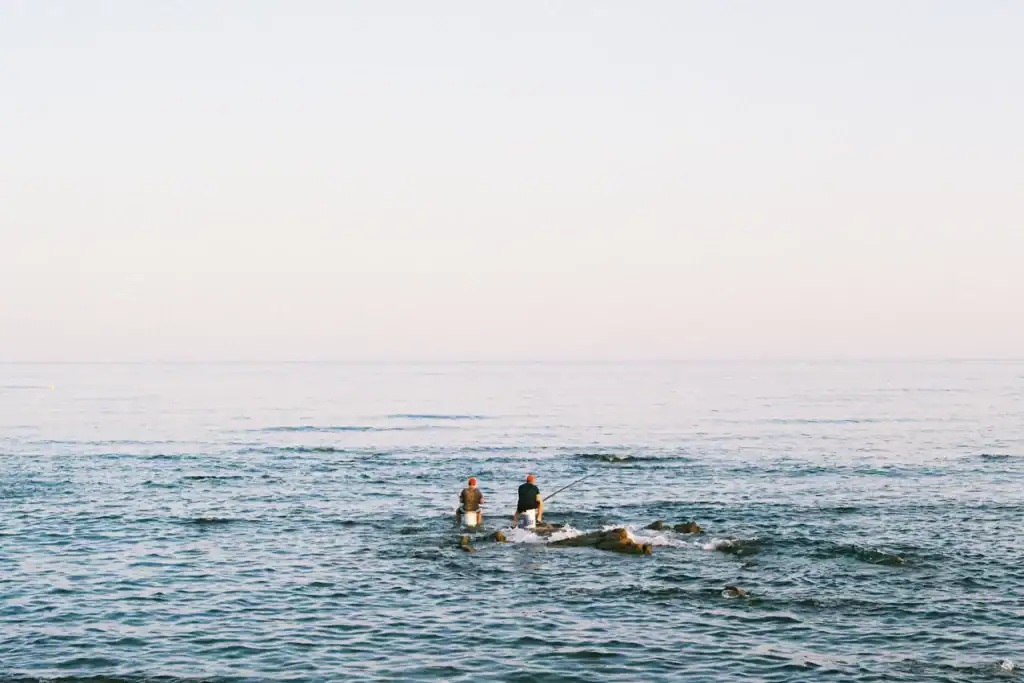
The Mar Menor is a saltwater coastal lagoon with generally calm, shallow shores, while the Mediterranean side brings open-sea beaches, coves, cliffs and waves. This contrast lets a group choose according to weather and confidence rather than repeat the same beach experience. Our guide to Murcia’s best beaches compares convenient urban shores with natural areas, and the Costa Cálida pillar explains the wider coastline.
2. Cartagena makes history visible
Cartagena’s Roman Theatre, archaeological sites, modernist centre and harbour create one of south-eastern Spain’s most satisfying city days. More than two thousand years of history can be encountered within a relatively compact centre, and the museum route into the theatre is especially memorable. The city is still a working port rather than an open-air monument, which gives the visit texture. Follow the one-day Cartagena route for a balanced introduction.
3. Murcia city feels distinct from the coast
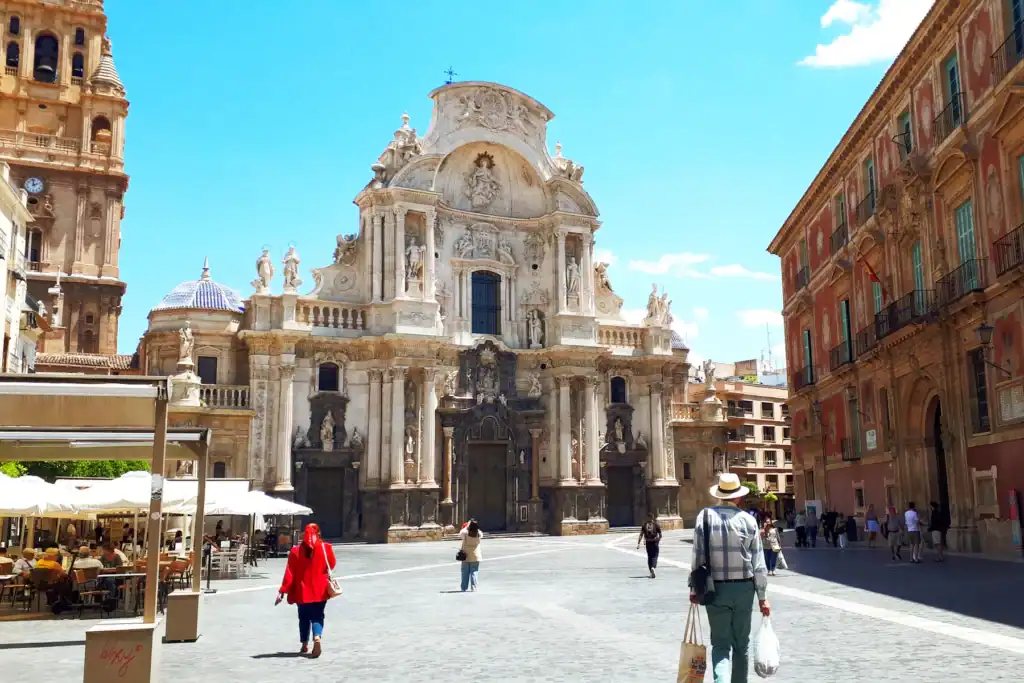
The regional capital brings cathedral squares, baroque architecture, the Real Casino, shopping streets and food influenced by the fertile huerta. It is inland, so visiting it adds a genuine change of scene to a coastal stay. Travellers sometimes overlook the city because they confuse Murcia with the broader region. Our Murcia destination guide makes the difference clear, while the city itinerary shows how to spend one day without overloading the schedule.
4. Natural landscapes remain close to developed areas
Calblanque Regional Park lies near Cabo de Palos and La Manga but protects dunes, salt flats, scrub, coves and cliffs. The contrast is striking: a busy tourism corridor is followed by a landscape that requires water, sun protection and respect for conservation rules. Summer vehicle access may be regulated. That honest limitation is part of the appeal, because the visit feels very different from arriving at a fully serviced promenade or beach club.
5–6. La Manga and the Mar Menor are geographically unusual
La Manga stretches for roughly twenty-one kilometres as a narrow barrier between two seas. It is possible to compare lagoon and Mediterranean beaches within a small area, although summer traffic means the journey can take longer than expected. The Mar Menor itself supports watersports, coastal towns and a distinctive food tradition. Use the La Manga guide and Mar Menor guide to understand the difference before choosing a day out.
7. Food links the sea and the huerta
Murcian cooking draws on vegetables and fruit from the inland growing areas, fish and seafood from the coast, rice dishes and strongly local snacks or pastries. Around the Mar Menor, caldero is the most recognisable rice-and-fish dish, while Cartagena is associated with café asiático. A food experience does not require a formal tasting itinerary. Choose a few places carefully, check current opening hours and let lunch become a natural pause in the day.
8. The region can work outside high summer
Spring and autumn often suit travellers who want to walk through cities and natural areas without organising every day around peak heat. Winter is quieter and can still provide bright conditions, although evenings are cooler and some seasonal businesses reduce their hours. July and August offer the liveliest beach atmosphere but require heat planning and earlier starts. The weather-by-month guide helps match your preferred activities to a realistic travel period.
9. A single base can support varied day trips
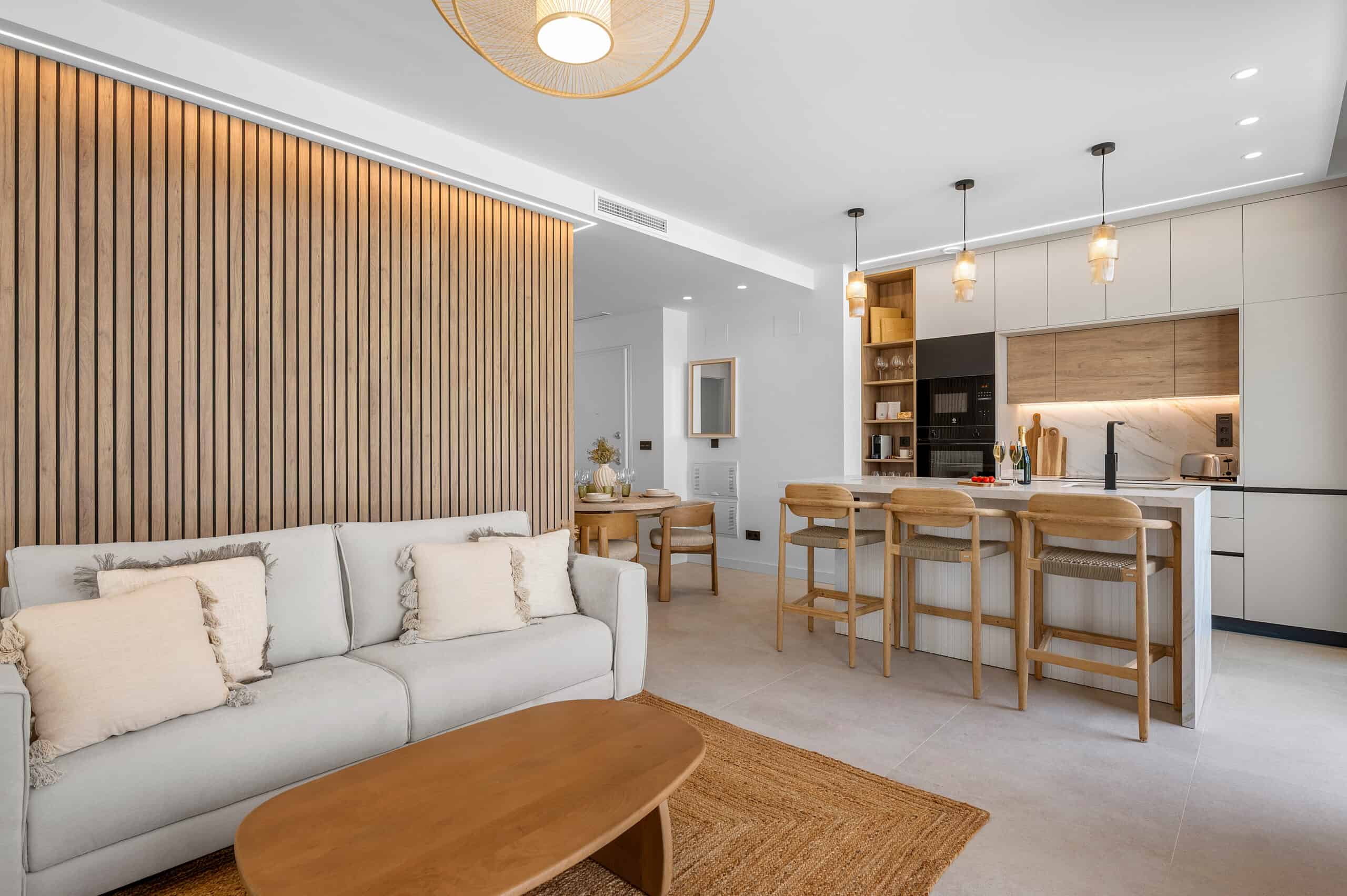
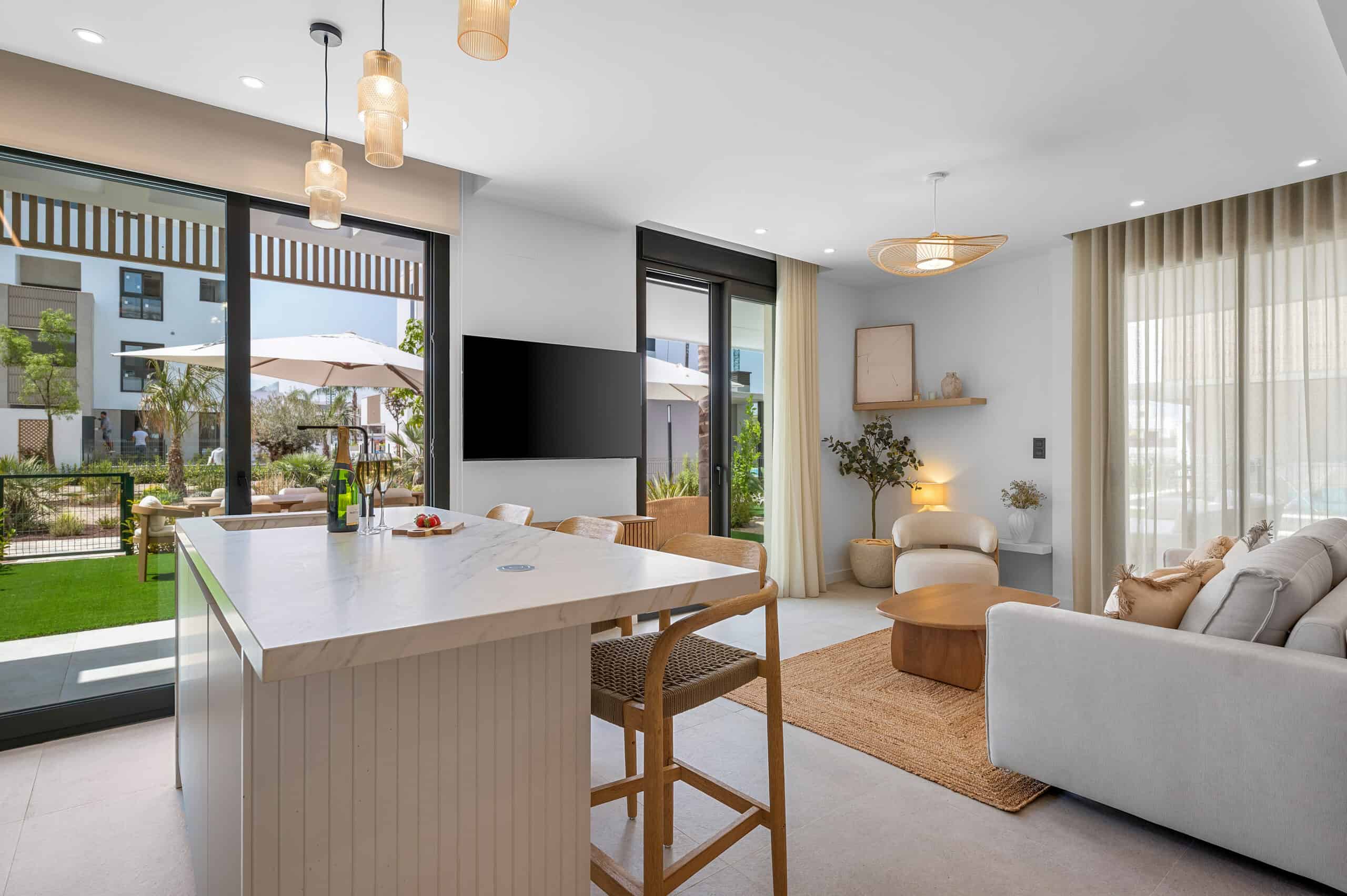
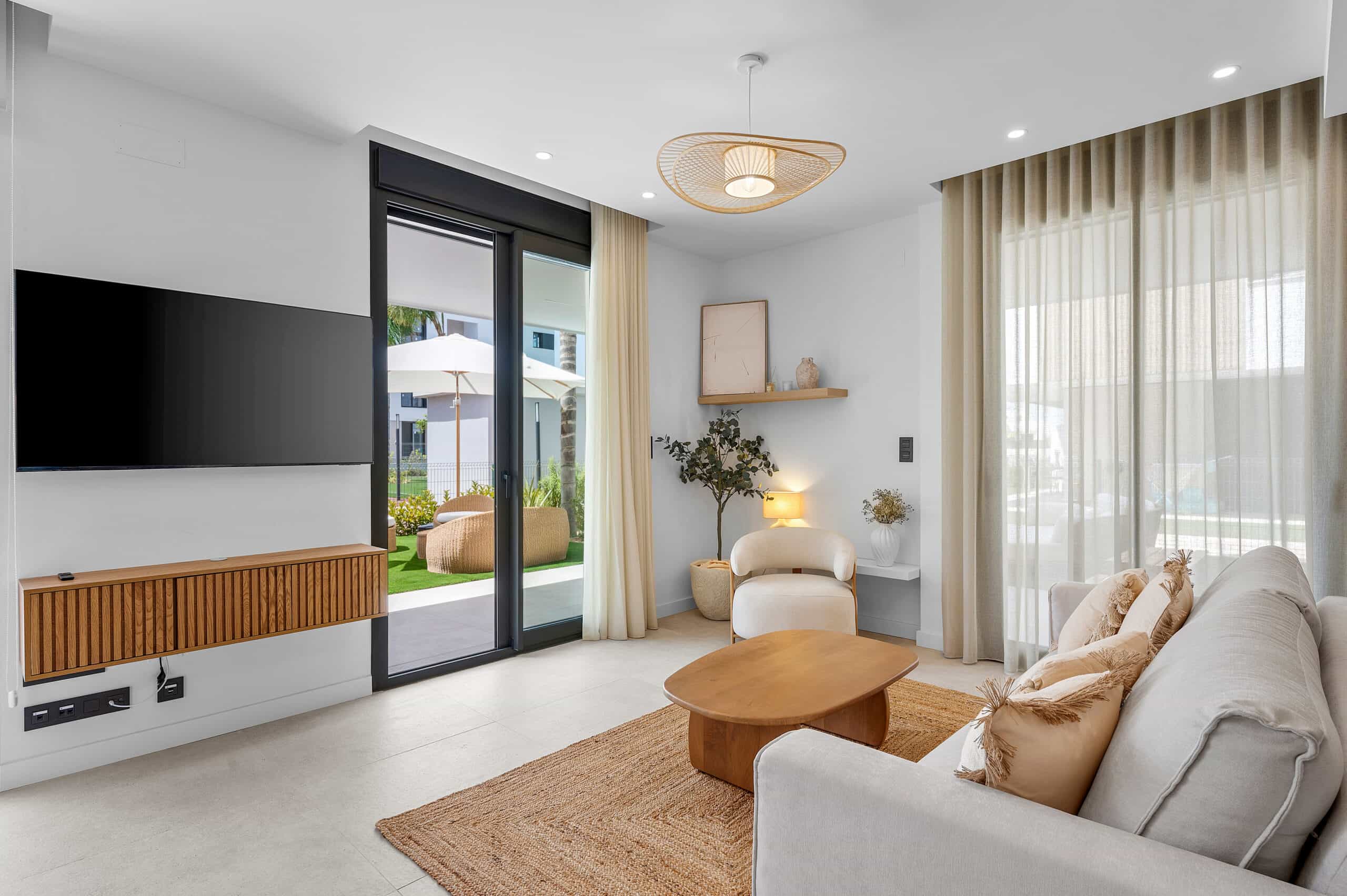
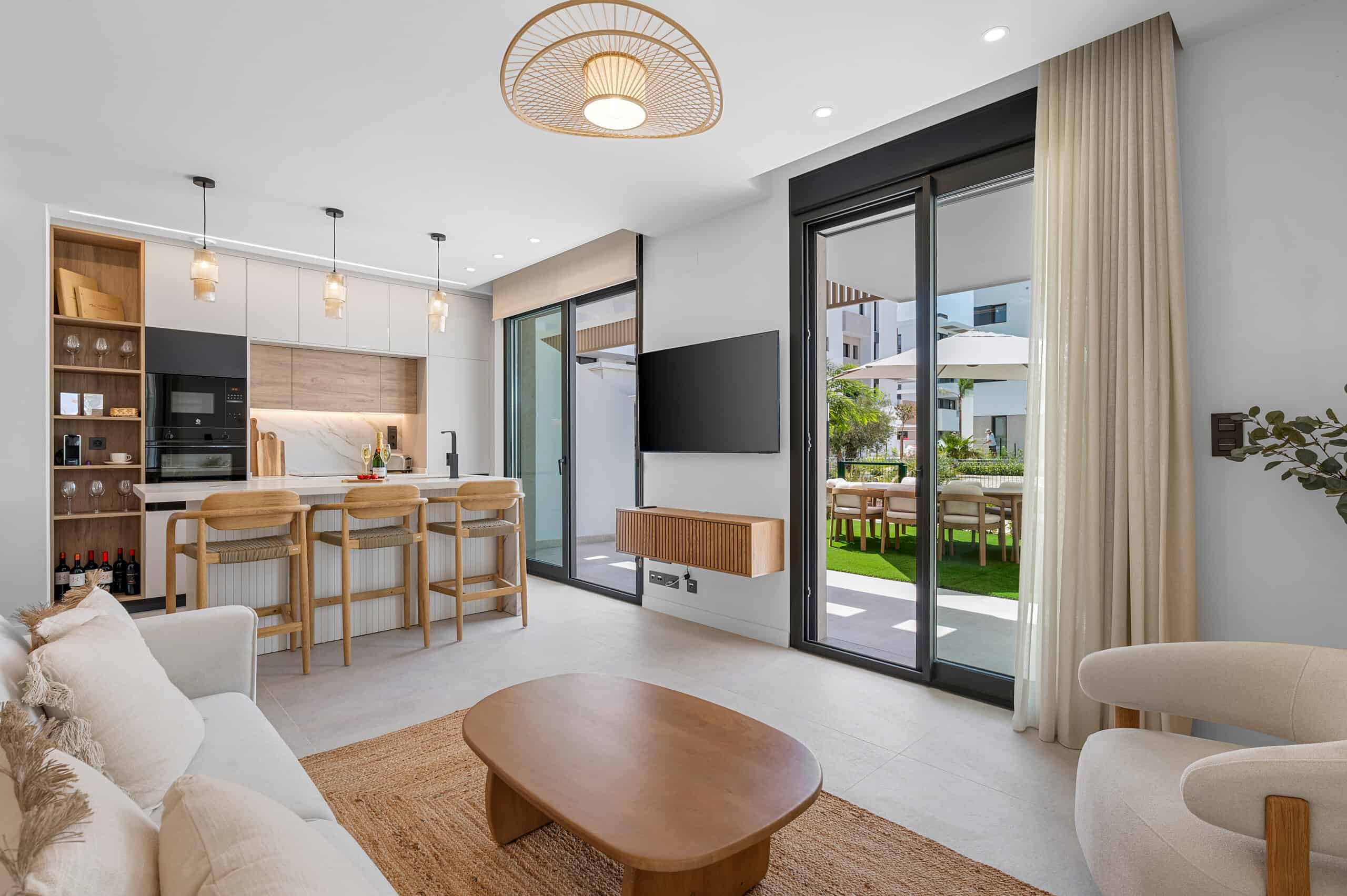
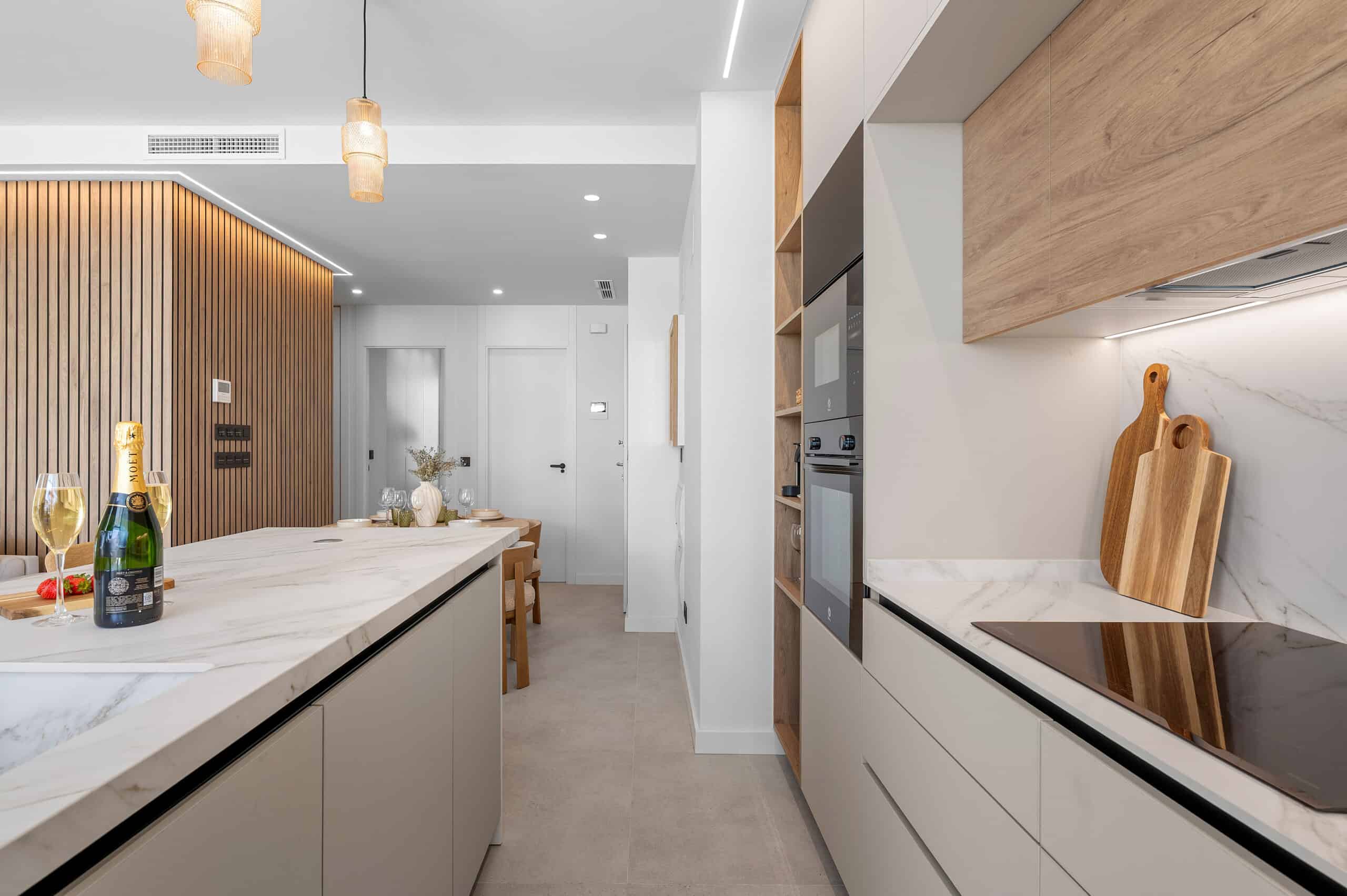
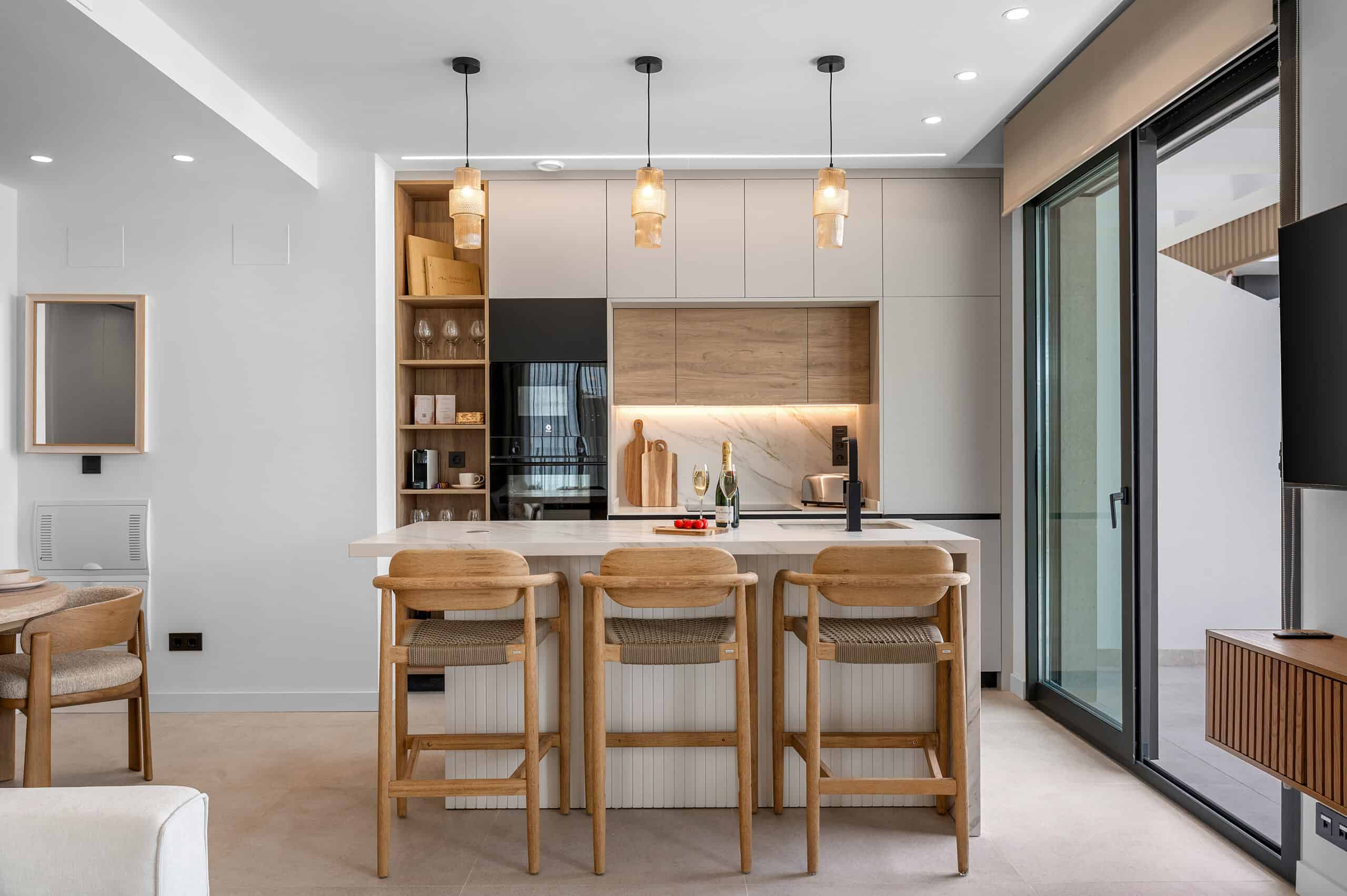
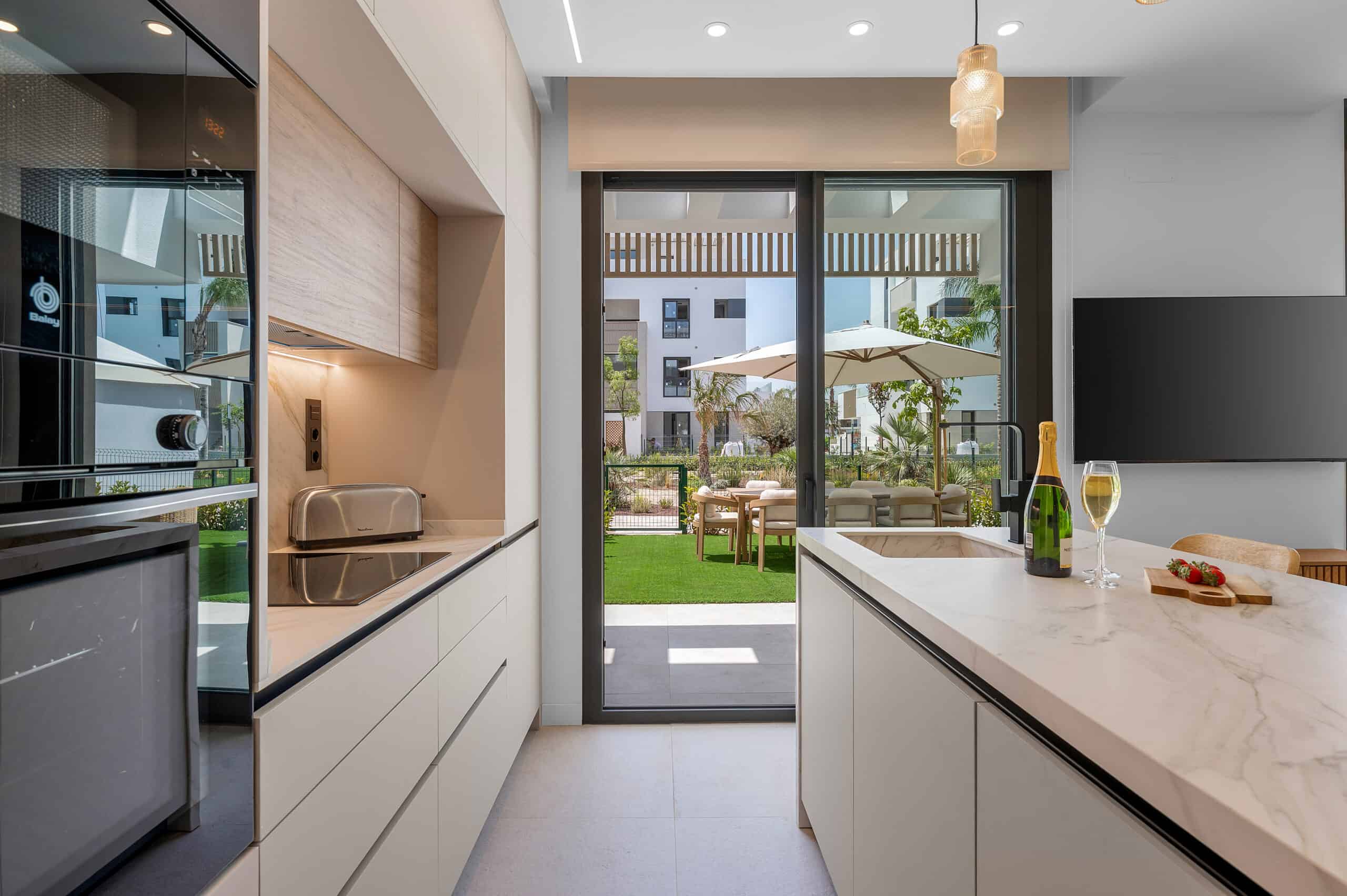
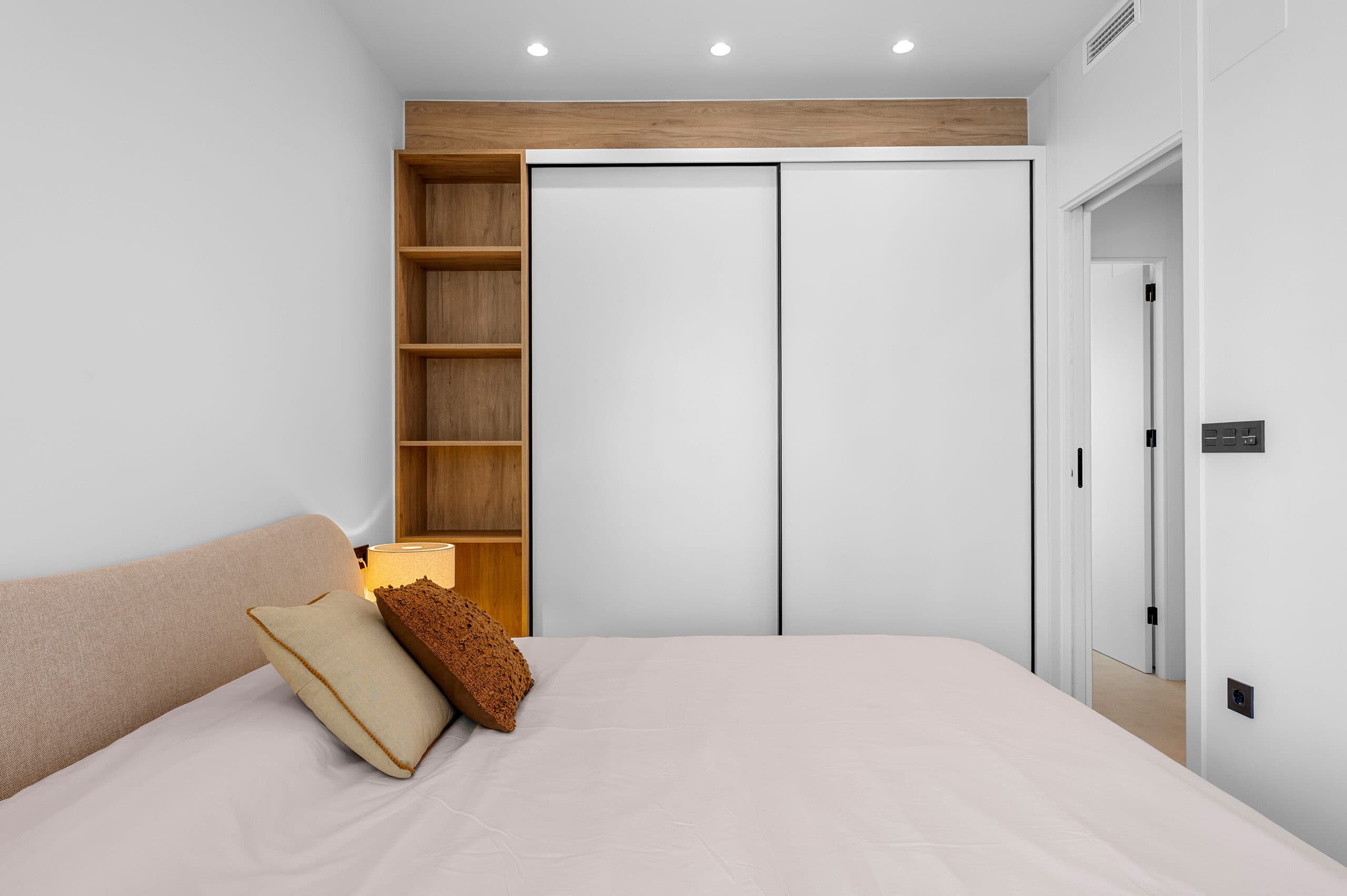
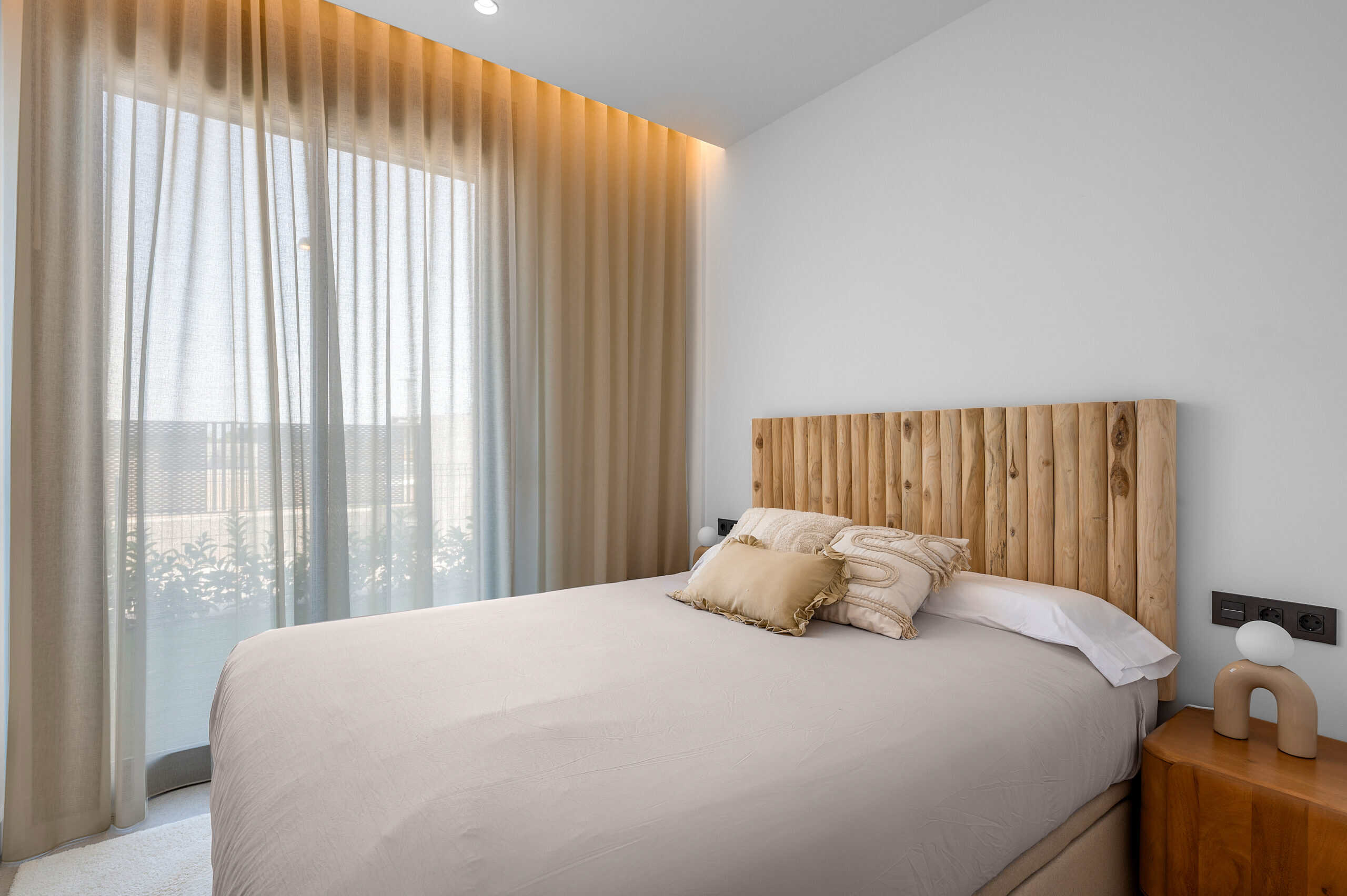
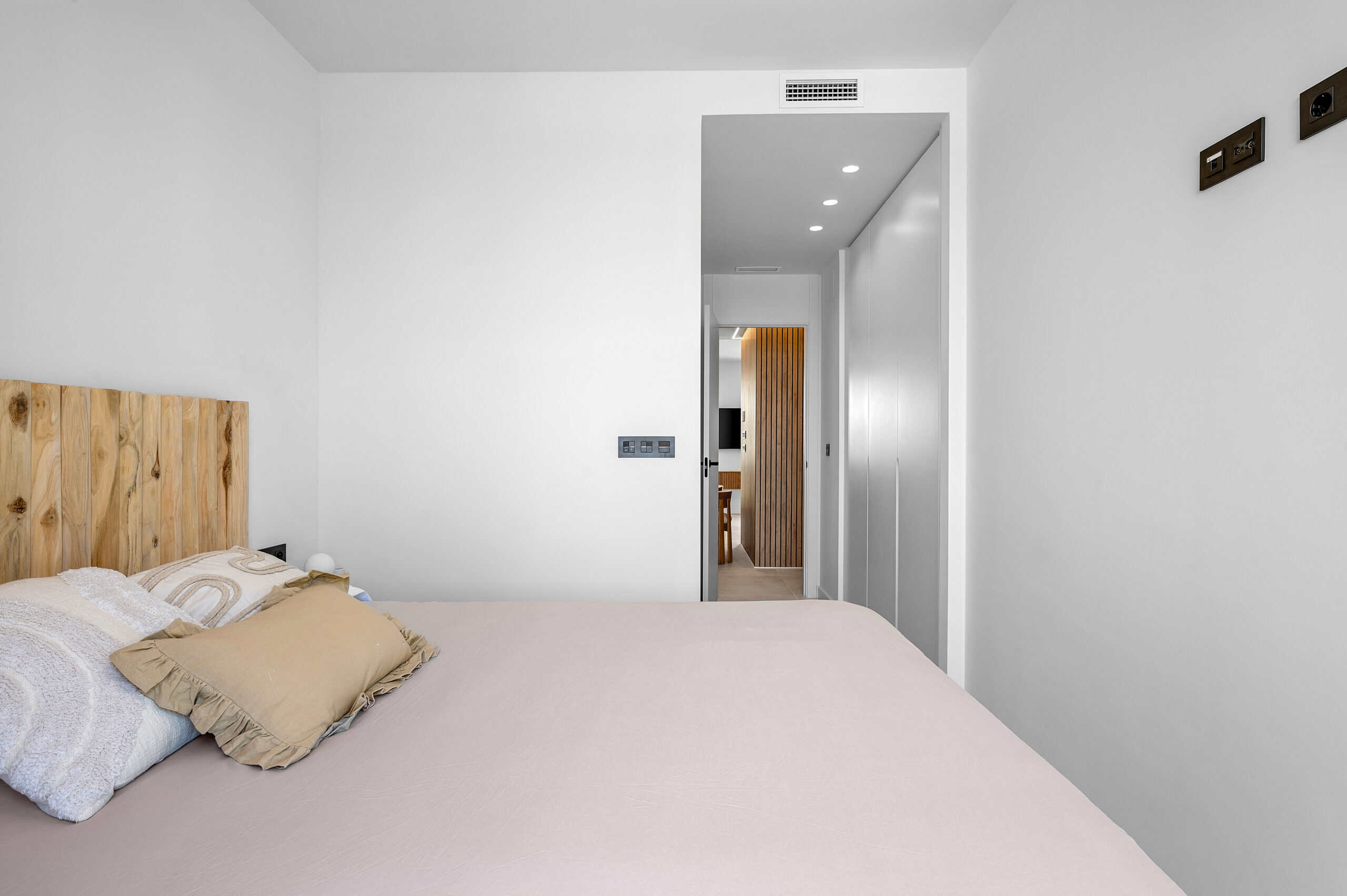
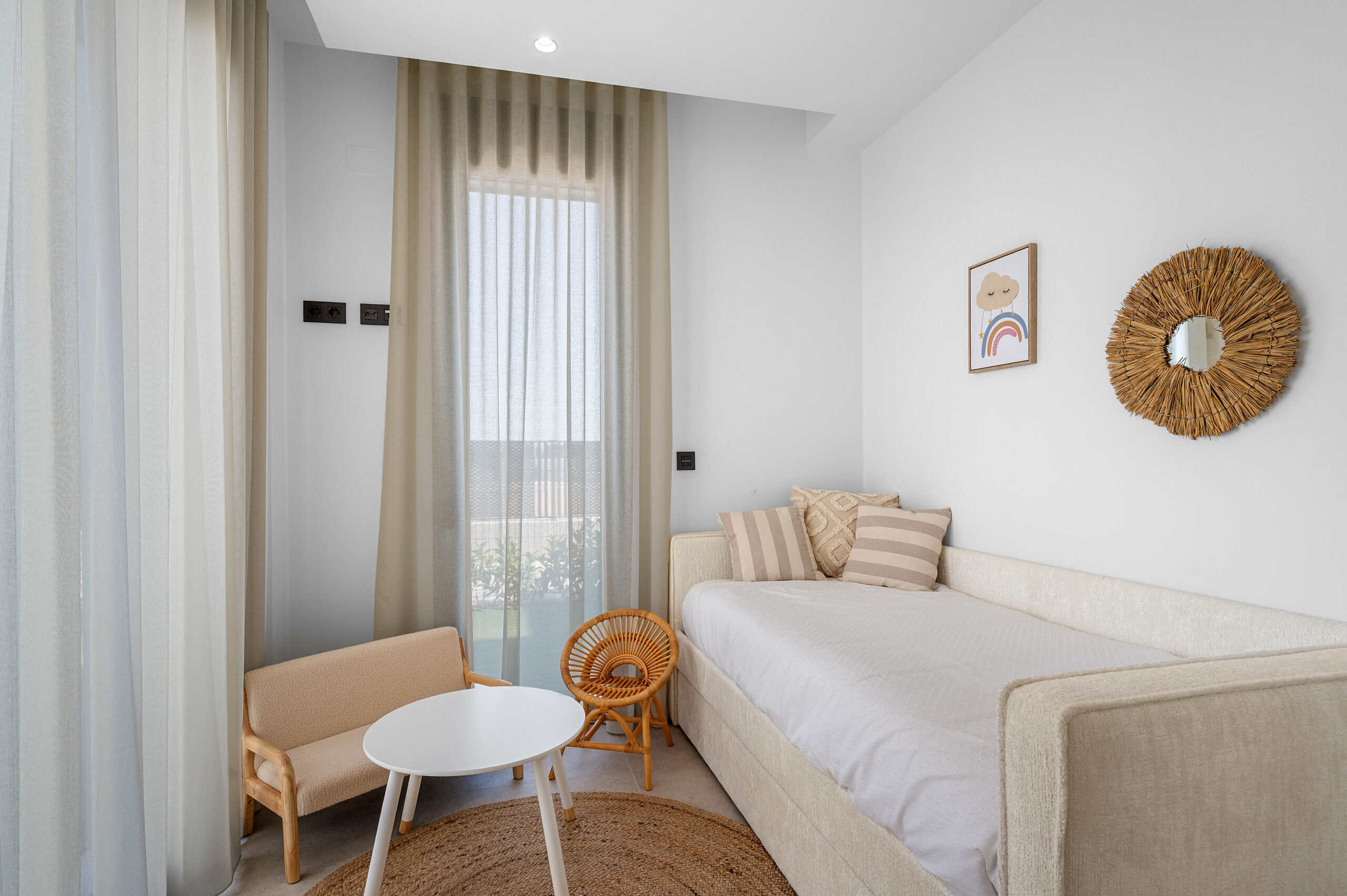
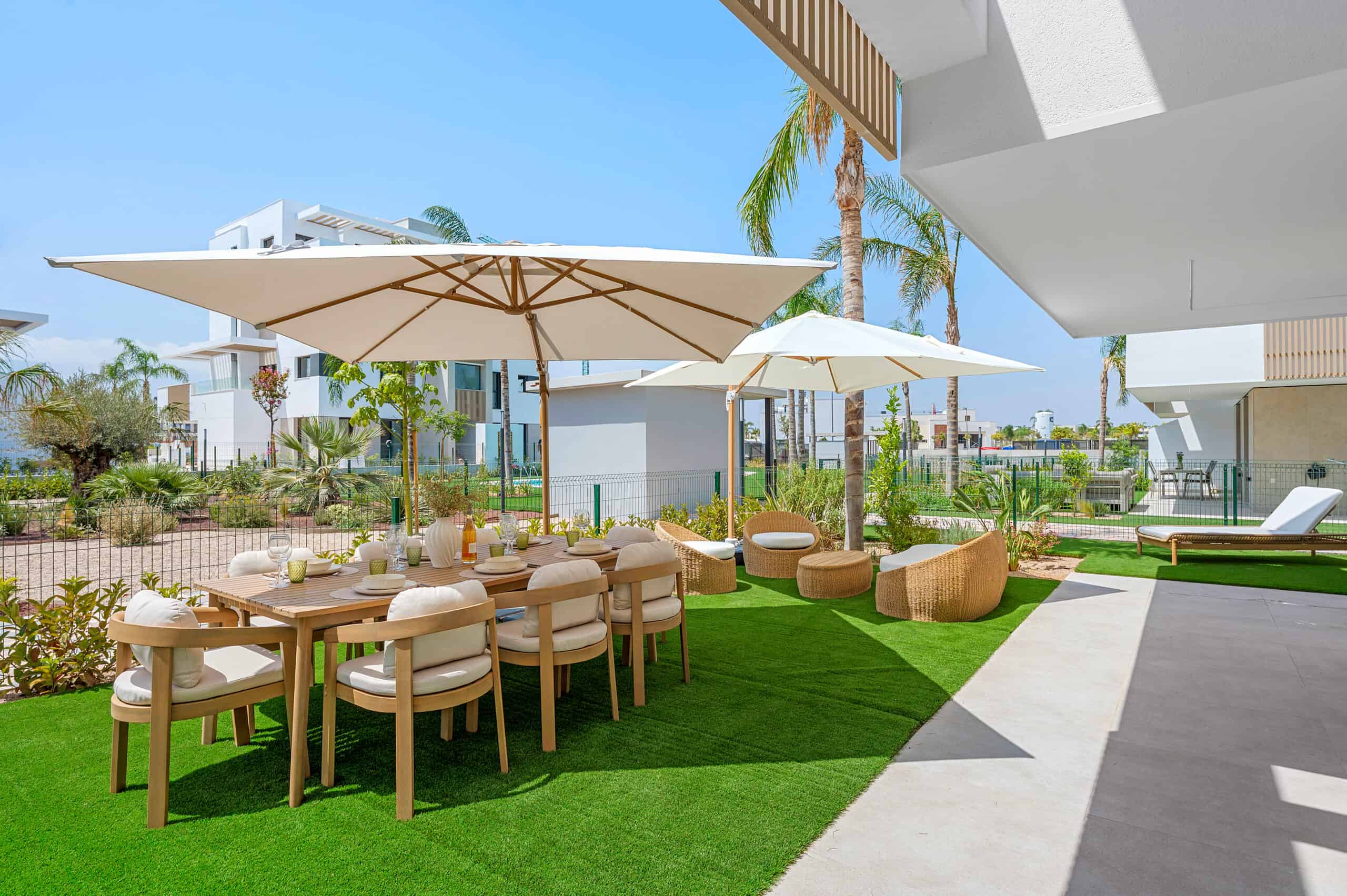
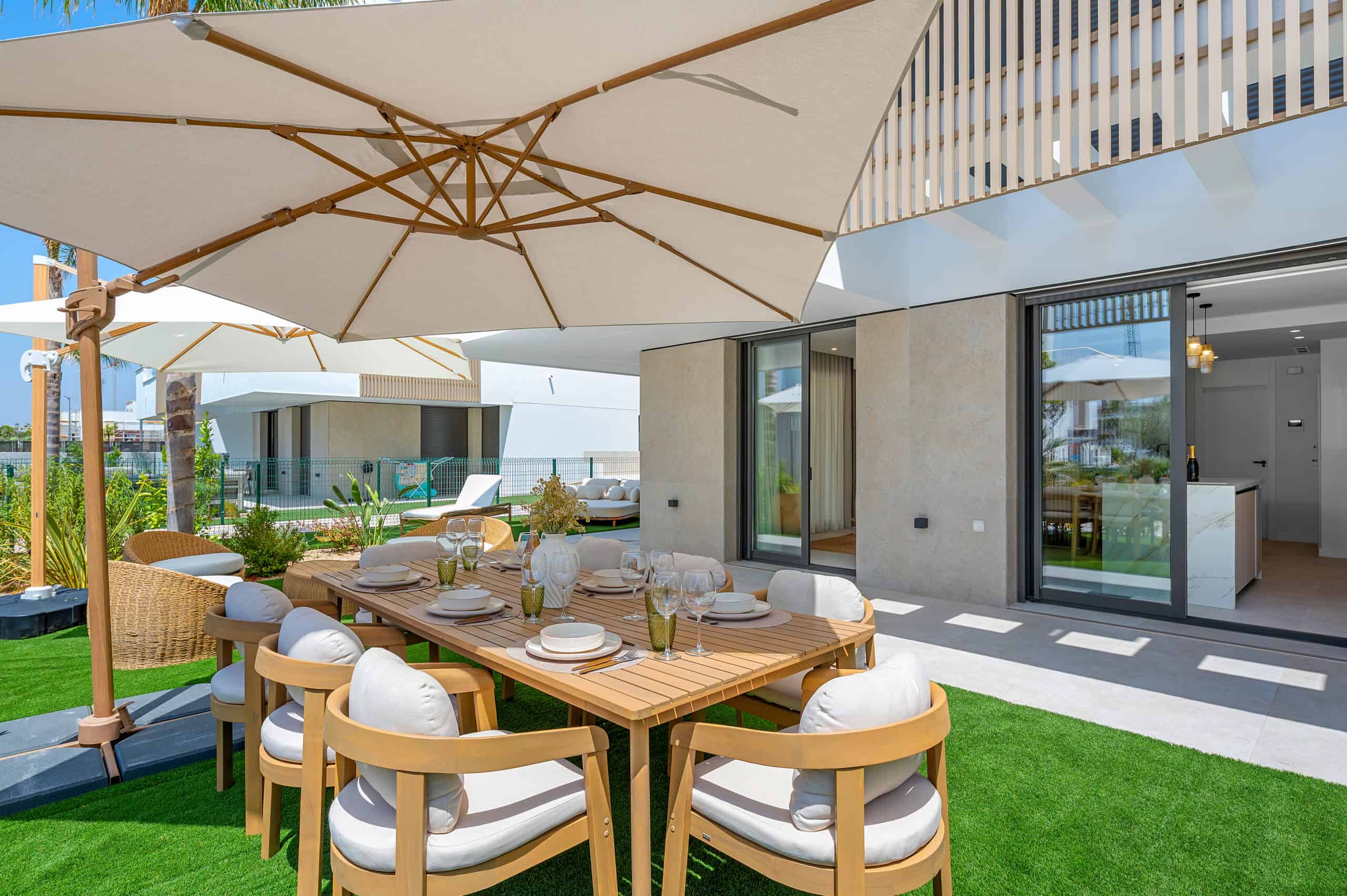
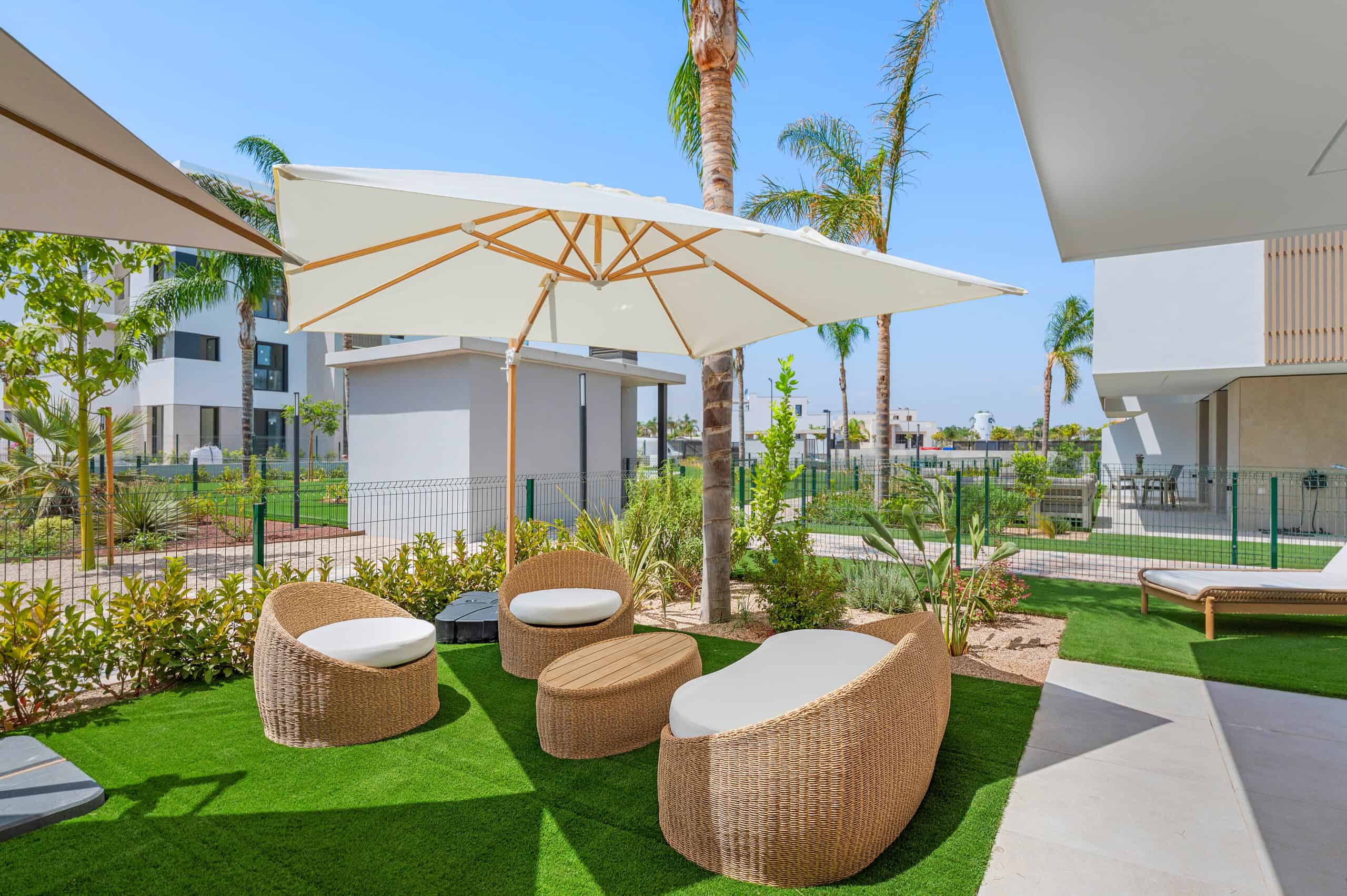
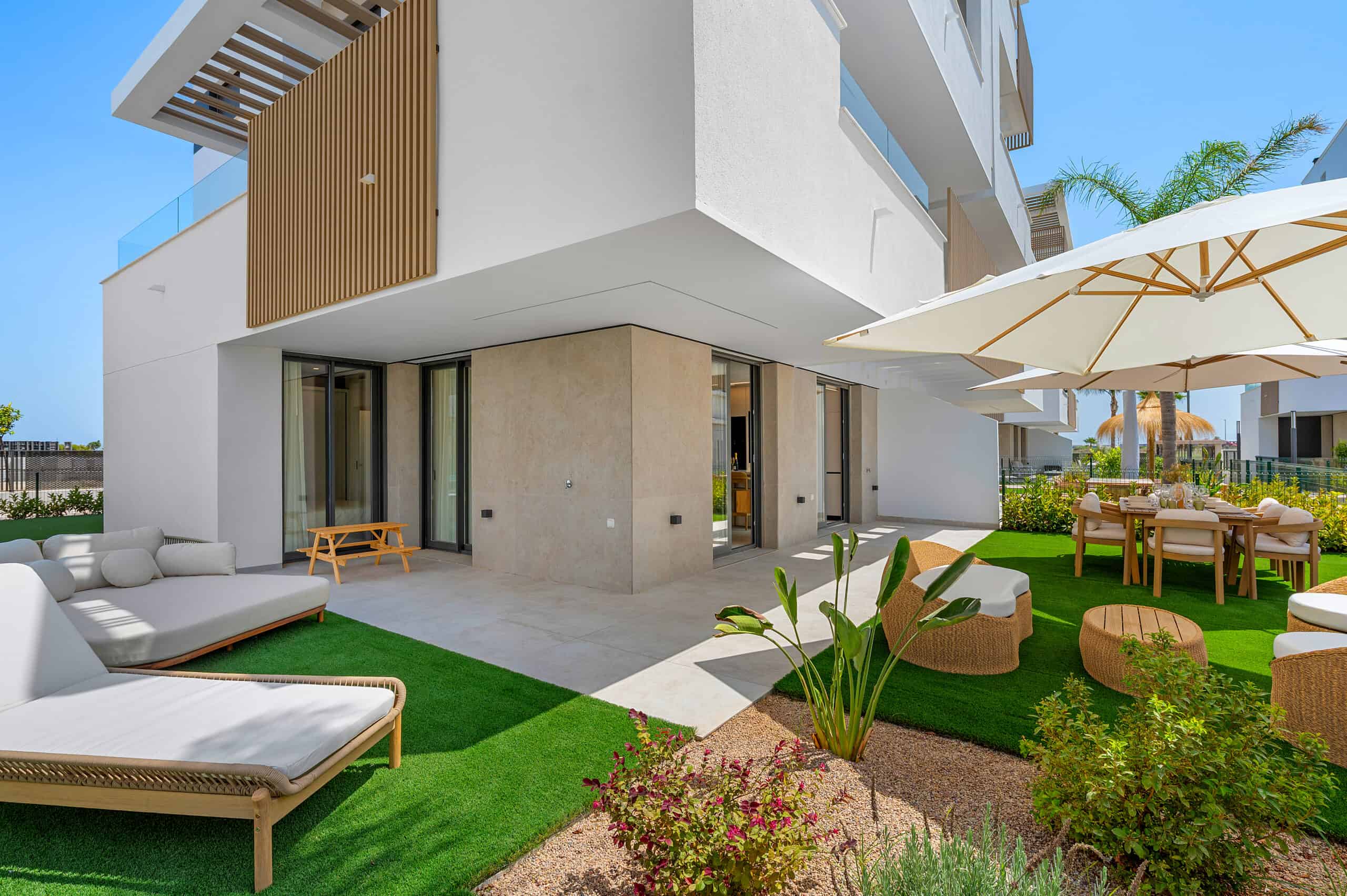
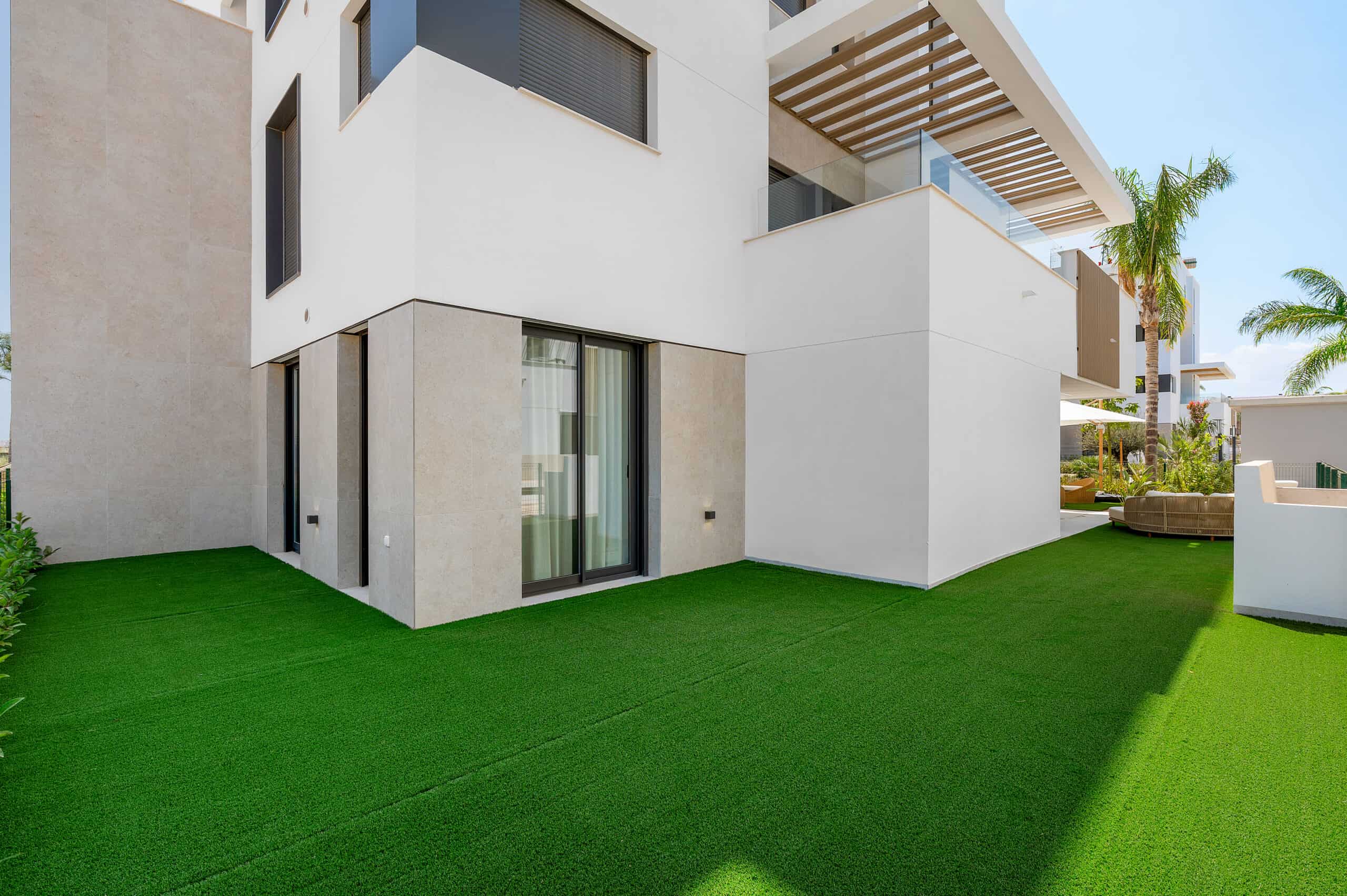
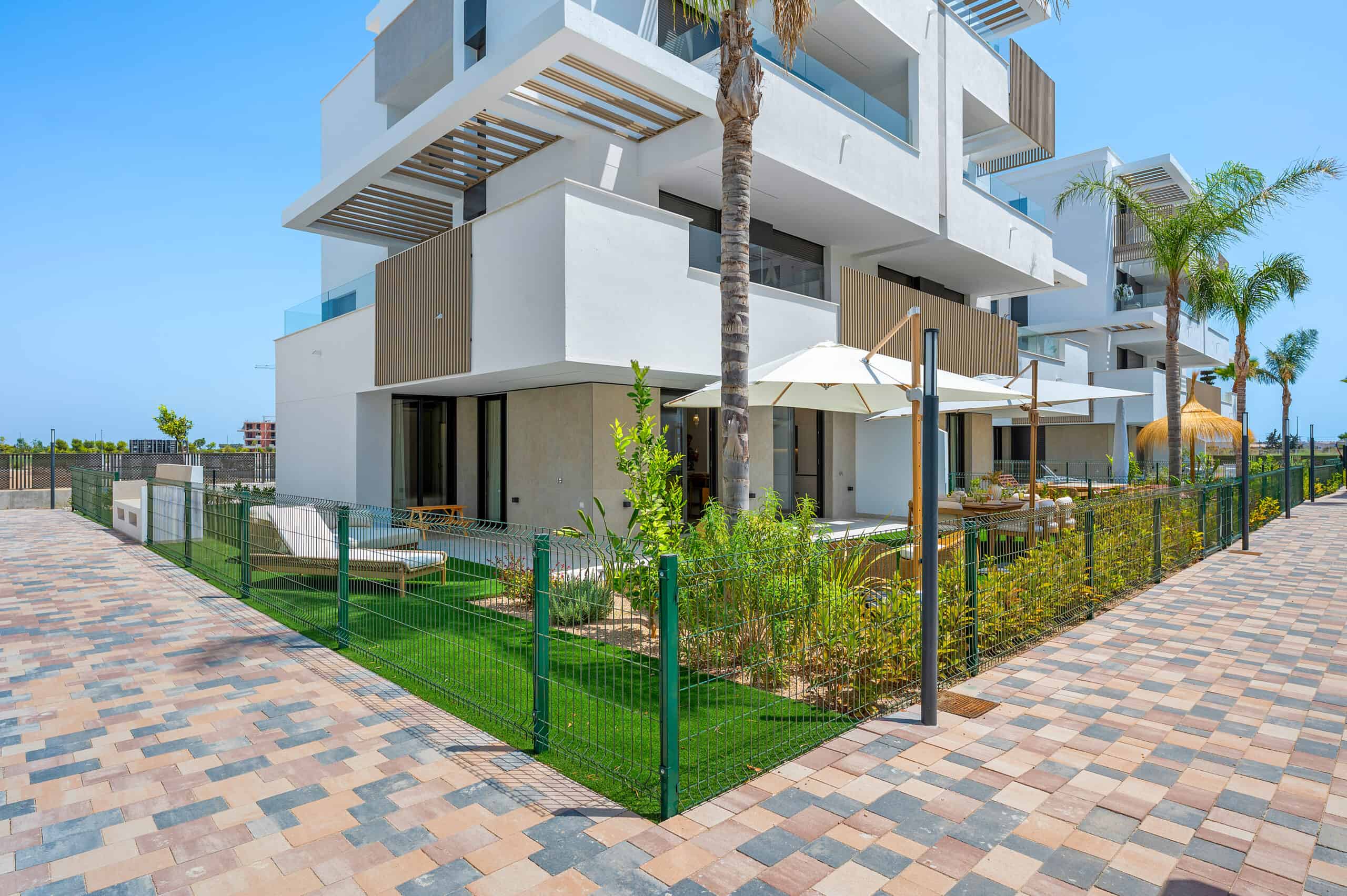
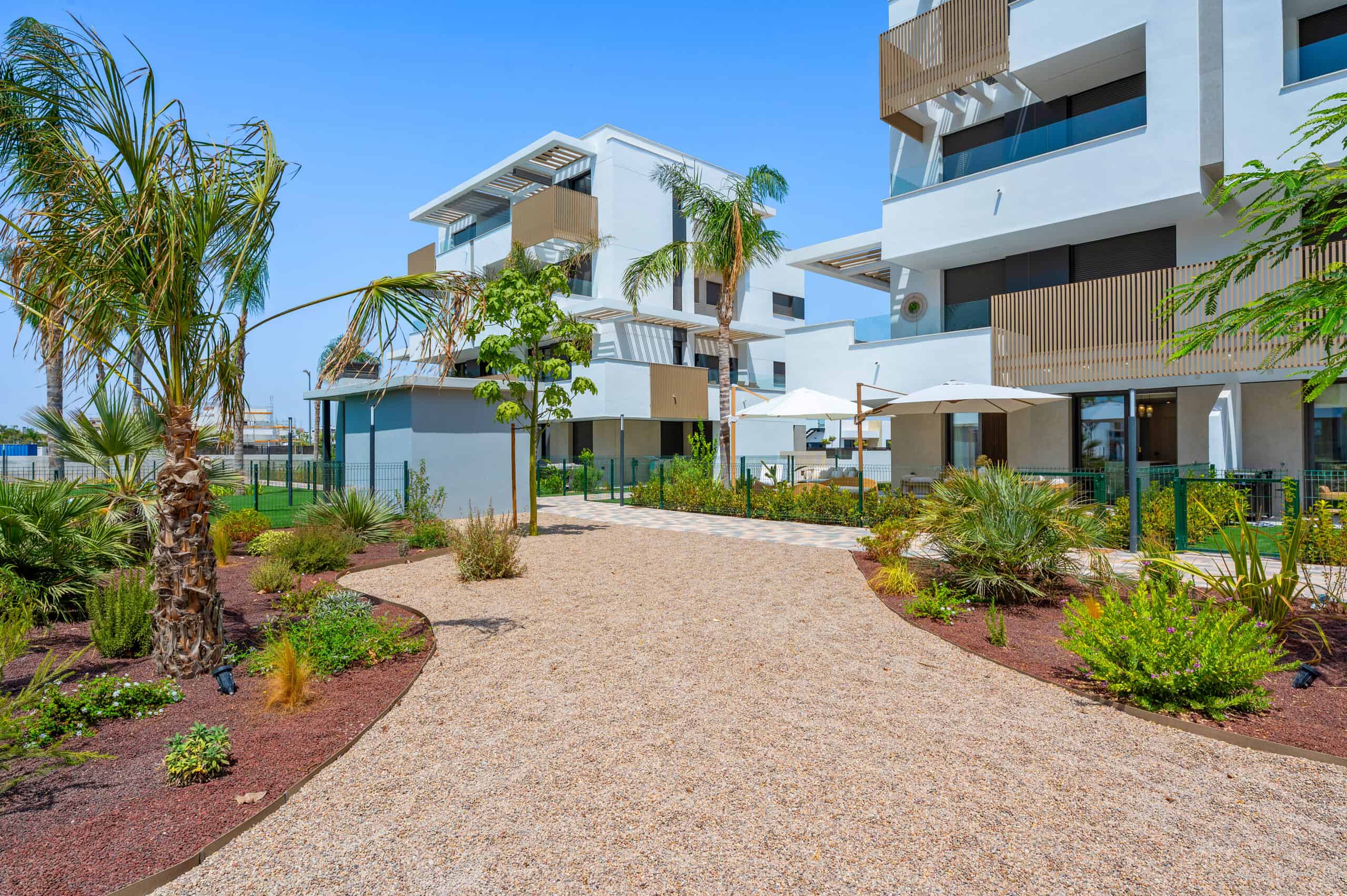
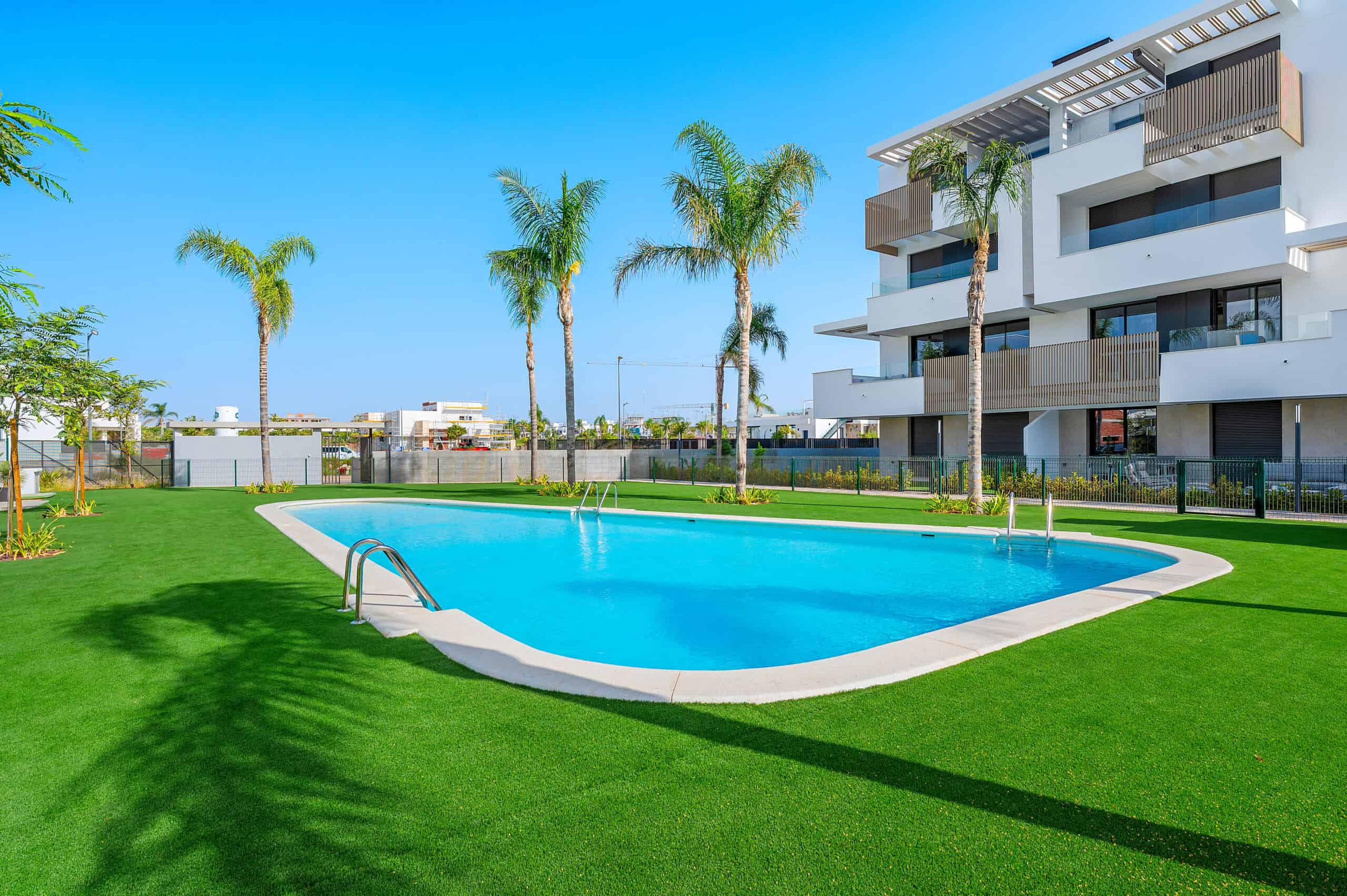
Santa Rosalía Garden Loft is around four kilometres inland from the Mar Menor, close to Los Alcázares and positioned for drives toward Cartagena, Murcia city, Calblanque and La Manga. It is one privately hosted holiday home, not a hotel or package-tour operator. Three bedrooms, a double sofa bed and a south-facing private garden make it particularly practical for families and mixed-age groups that want shared time and separate sleeping spaces.
Murcia may not suit visitors who want every attraction on the doorstep, dense public transport between small beaches or the nightlife of a major international resort. It does suit travellers who value contrast, space and self-directed days. Start with two must-see places and leave the rest flexible. If the location and accommodation match your plans, Controleer direct of Garden Loft beschikbaar is and build a holiday around what your group will actually enjoy.